


Connecting the dots
Industry insights, emerging trends, and expert perspectives to help you navigate change with confidence.
-
 Blog
BlogPreparing for Sunrise 2027: The transition to GS1 2D barcodes
Sunrise 2027 sets the global ambition to replace the traditional 1D barcode with a GS1 2D barcode. This shift modernizes how products carry and share standardized data, creating a single access point for compliance, enhanced traceability, and direct consumer engagement. Learn how to build a strategy that benefits all stakeholders in your organization.
-
 Blog
BlogPrivate brands are winning on price: Transparency is how to win on trust
For private label brands, a single transparency gap doesn’t just affect one product – it affects how shoppers feel about the retailer itself. Here’s why transparency is the next competitive advantage in private label packaging, and how QR codes are the practical tool to get there.
-
 Blog
BlogGetting started with SmartFacts®: a guide to digital labelling
Digital labelling initiatives such as SmartFacts® are changing how food and grocery brands share product information with consumers. By utilizing QR codes, brands can provide detailed, up-to-date information, turning packaging into a new channel for consumer engagement. This guide explains why digital labelling matters now and outlines practical steps for getting started with smart packaging.
-
 Platform updates
What’s new on our platform H2 – 2025
Discover Kezzler’s H2 2025 platform updates, featuring the all-new Batch Flow visualizer, a redesigned drag-and-drop analytics dashboard, and enhanced Digital Product Passport (DPP) capabilities to support upcoming EU legislation.
-
 Press release
Kezzler and GS1 Mexico launch FSMA 204 food traceability pilot
Kezzler and GS1 Mexico have launched a pilot program supporting food companies implementing FSMA 204 traceability requirements using GS1 standards and Kezzler’s product traceability technology.
-
 Blog
BlogThe JRC’s 3rd milestone: DPP for apparel is getting real
On January 14–15, 2026, the Joint Research Centre (JRC) presented the 3rd Milestone Technical Report on Textiles. This report forms the technical foundation for mandatory Digital Product Passport (DPP) requirements under the ESPR, signaling a major shift from sustainability ambition to enforceable requirements for the apparel industry.
-
 Blog
BlogThe Digital Bridge: Meeting the 2027 battery QR code mandate
From 18 February 2027, all batteries placed on the EU market must carry a QR code under the EU Battery Regulation. Even if your batteries are not subject to the Digital Battery Passport, the QR code requirement still applies. This post explains what that QR code is, what it must contain, and how companies should…
-
 Blog
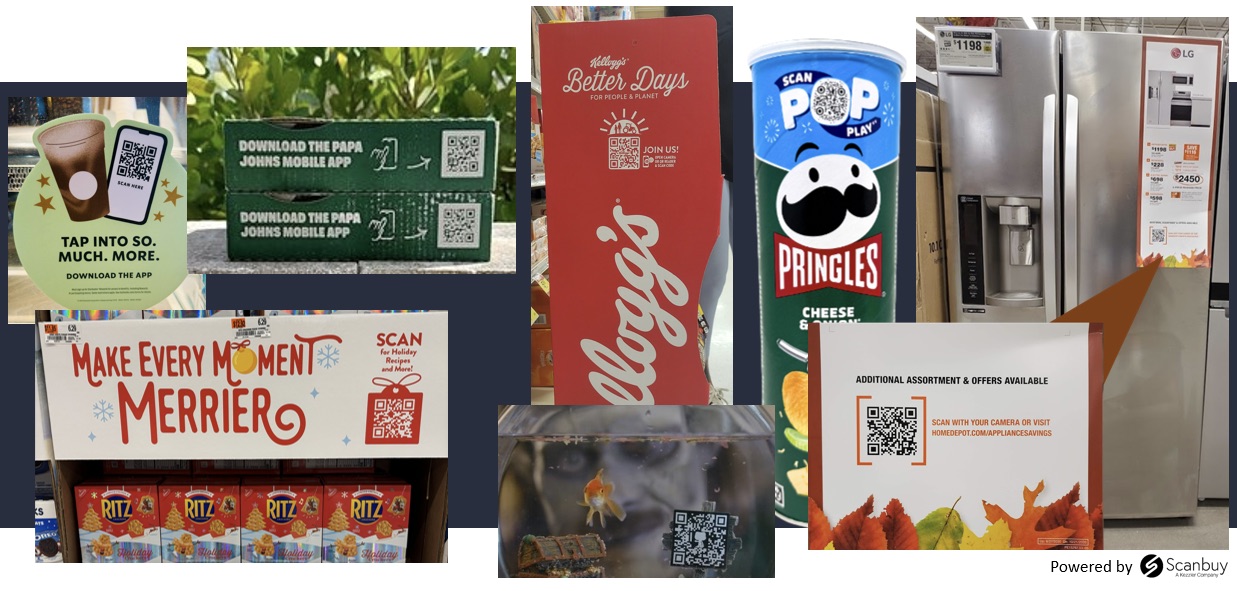
BlogQR code engagement: Turning consumer curiosity into measurable marketing impact
Explore how brands are using QR codes and connected product experiences to build transparency, trust, and stronger consumer engagement.
-
 Blog
BlogThe EUBR compliance checklist: Understanding the four critical pillars
The EU Battery Regulation (EUBR) is redefining the global battery industry. Discover the four essential pillars of EUBR compliance and learn how the Digital Battery Passport (DBP) will transform data transparency from raw material sourcing to end-of-life recycling.
-
 Blog
BlogWhat’s in your food? Texas takes a bold step toward food transparency
On 1 September 2025, Texas enacted one of the most significant food labeling laws in the US, requiring warning labels on any product containing 44 restricted additives. Here’s what manufacturers need to know and why other states are moving in the same direction.
-
 Blog
BlogSecure AI Agents for Supply Chain Traceability: The Model Context Protocol
Secure AI agents are redefining supply chain traceability. The future of logistics relies on secure AI Agents to autonomously govern and optimize traceability across every stage of the supply chain. The Model Context Protocol (MCP) enables these agents to operate safely across systems, ensuring trusted data exchange and real-time visibility from end to end.
-
 Webinar
Exploring the R-use cases and return on investment for DPP
Watch the final session of FASHION360’s “Untangling the 15 Data Elements of Digital Product Passport” series, where we explore the real-world applications and business value of the Digital Product Passport.
-
 News
NewsKezzler recognized by Gartner in Digital Product Passport Innovation insight
Discover how Kezzler’s leading role in Digital Product Passports (DPP) is highlighted by Gartner. We provide solutions that enable traceability, enhance consumer engagement, and support the circular economy, all built on open standards like GS1 Digital Link.