

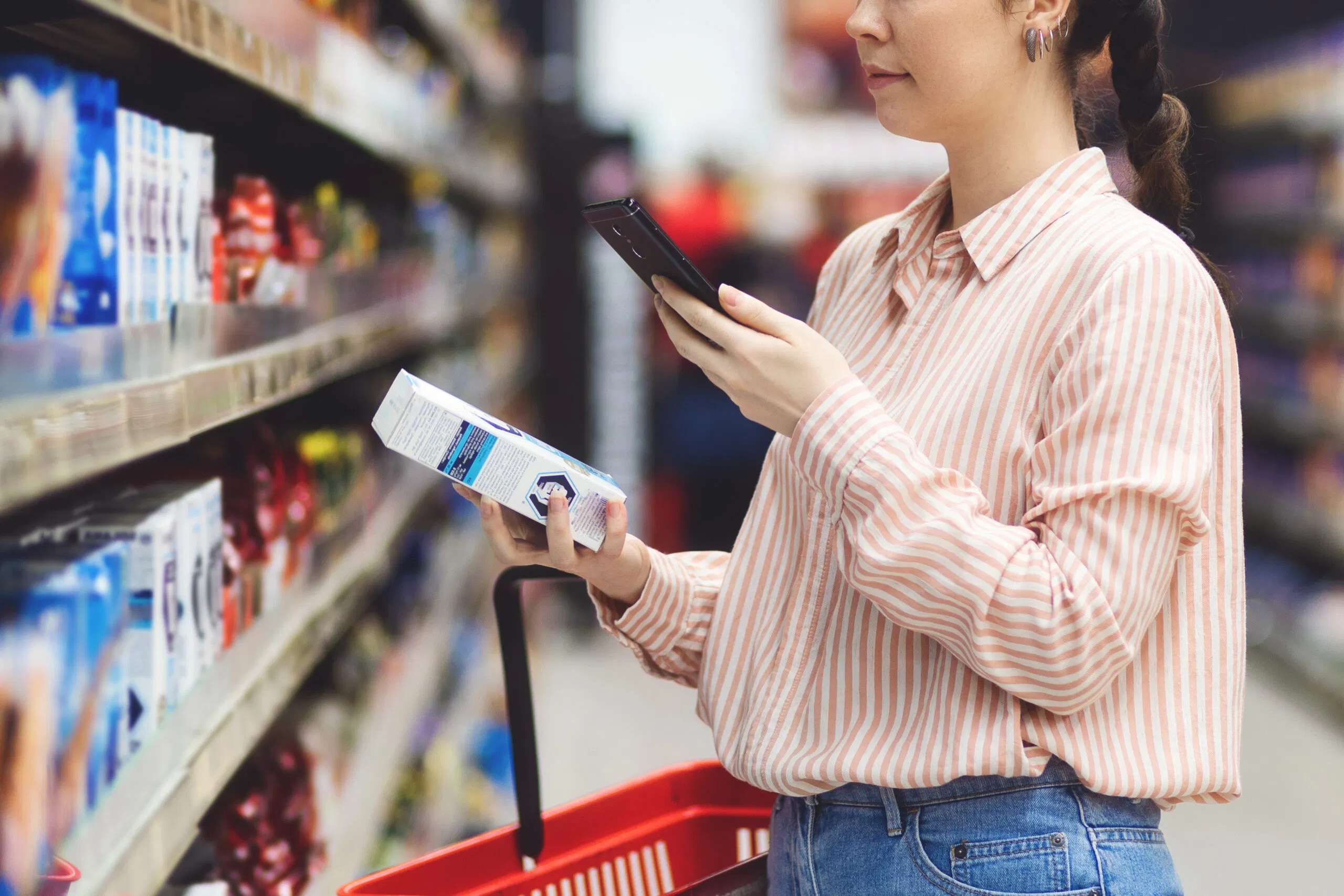
Consumers increasingly want to know more about the products they buy. From ingredients and allergens to sourcing, sustainability, and recycling instructions, traditional packing simply does not have enough space to include all of this information.
Digital labelling and smart packaging address this by linking products to online information through a single QR code. Initiatives such as SmartFacts® in Australia and New Zealand and SmartLabel® in the United States are helping food and grocery brands navigate the shift to connected packaging.
The shift towards QR code packaging
Why brands are moving to smart packaging now
Smart packaging is gaining momentum as brands look for better ways to share product information and respond to growing expectations for transparency. With a single QR code scan, consumers can access details that would never fit on traditional packaging, including ingredients, allergens, sourcing information, sustainability claims, and recycling guidance.
Industry organisations such as GS1 are supporting this shift through standards like GS1 Digital Link, which enables QR codes to connect physical products with digital product information. These QR codes can support traditional barcode functions, allowing a single code to work for retail scanning while linking to digital product information. This approach is increasingly being adopted across the food and grocery sector as companies look for more flexible ways to manage product data and engage consumers beyond the shelf. Industry groups such as the Australian Food & Grocery Council highlight:
“Digital labelling marks a significant transition for the industry, offering benefits for consumers through richer product information, streamlined regulatory compliance, and ultimately greater efficiency in supply chains through traceability.”
What is SmartFacts®?
SmartFacts® is a smart packaging initiative that allows brands to share product information through on-pack QR codes using GS1 Digital Link standards. Developed by GS1 Australia and GS1 New Zealand together with the Food & Grocery Council, it provides guidance on how key product information should be presented through a digital label.
With SmartFacts®, brands can:
- Share product information that goes beyond what fits on the package
- Give consumers access to the latest product information with a single QR code scan
- Help consumers easily understand and compare product information when making purchasing decisions
In short: SmartFacts® turns packaging into a new channel to inform shoppers, build trust, and stand out on the shelf.
A 3-step roadmap for digital labelling implementation
Transitioning from a standard UPC barcode to a GS1-powered QR code requires a structured approach. In practice, this means focusing on three areas: data management, design implementation, and internal departmental alignment.
Starting the process now, with a commitment at the brand level, allows companies to build a strong data foundation, gain valuable consumer insights, and drive deeper engagement. From there, implementation can progress one SKU at a time.
Step 1: Preparing your assets
Before the technology can deliver value, your internal team needs to lay the groundwork. This practical phase usually takes two to four weeks and focuses on three areas:
- Artwork integration: Plan where the QR code will appear on pack. The code must be easy to scan while fitting naturally into your packaging design and brand guidelines.
- Data preparation: Gather the key information that will appear on your digital product pages, such as nutrition, ingredients, allergens, and product descriptions. Many brands already store this data in systems like a PIM or product data pool, which can often be exported in formats like CSV.
- Experience design: Decide what consumers should see after scanning the code. This could include brand stories, recipes, sustainability information, or actions such as downloading an app or signing up for updates.
Step 2: Creating an agile workflow with full control
Once your assets are prepared, the next step is setting up a workflow that allows teams to manage digital product information and QR codes efficiently. The Kezzler enterprise-class management platform can facilitate and simplify the digital execution and integration.
Key elements typically include:
- Data ingestion: The Kezzler platform validates and structures your data feeds into an organised asset management system.
- Content activation: Using the self-service platform or managed services provided, you can design the consumer journey to guide interactions at any given time and easily iterate campaigns based on analytics data.
- Code provisioning: The system generates managed, GS1-ready QR codes that can eventually replace traditional barcodes, while giving you full oversight of codes across products.
- Monitoring: Every scan is tracked, providing real-time analytics and customisable dashboards.
Step 3: Building your cross-functional team
Digital labelling touches several parts of the organisation. Successful implementations typically involve a cross-functional team working under a clear project lead.
| Department | Primary responsibility | Why they are critical |
| Marketing | Defines the consumer journey and CTA. | Maximises engagement and brand strategy. |
| Regulatory | Signs off on data accuracy and compliance. | Verifies integrity and minimises legal risk. |
| IT/Data | Assists with the validation of integration and any security measures. | Ensures seamless, scalable data flow. |
| Sustainability | Identifies recycling and green messaging. | Supports corporate sustainability goals. |
How can Kezzler help?
Adopting digital labelling is not only a technical change. It requires coordination across product data, packaging, compliance, and consumer engagement. Kezzler supports brands managing this shift with a platform designed to connect physical products to digital information through GS1 Digital Link QR codes.
Kezzler has helped brands launch and scale digital labelling programs such as SmartLabel® in the United States, bringing practical experience in implementing connected packaging.
The Kezzler platform helps brands:
- Generate and manage GS1 Digital Link QR codes
- Connect product data with digital label templates
- Create digital product pages linked to packaging
- Monitor consumer engagement through scan analytics
For companies adopting SmartFacts®, this means they can launch digital labels faster while keeping full control over product information and consumer experiences. As brands scale across more products and markets, the same infrastructure can support compliance, marketing campaigns, and traceability initiatives. If you’d like to explore how to get started with SmartFacts® or packaging QR codes, get in touch with our team.